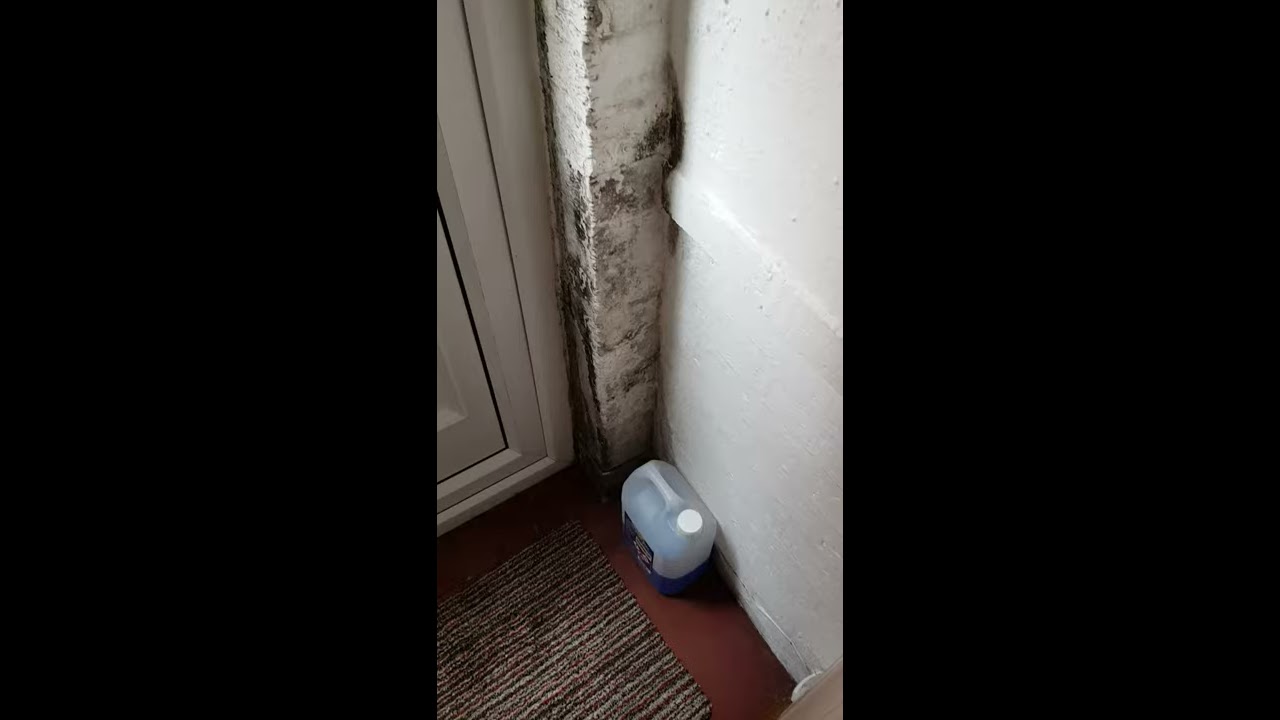
When I first noticed the unexpected damp patches on my living room walls and a sudden spike in my old cavity wall insulation heating bills, I knew something was off. I contacted a professional to inspect my home and quickly learned that my cavity wall insulation was the culprit. Understanding the benefits of well-installed insulation and the different materials available was crucial. Together, we identified the root causes, which included external wall damages and inadequate ventilation. I opted for an innovative solution that involved extracting the old, damp insulation and replacing it with aerogel, a material suited to my home's specific needs. The results? A cozy, warm home that saw both comfort and energy efficiency skyrocket. Stick around, and I'll share how this experience taught me the importance of proactive home maintenance and the right ways to ensure long-term solutions for a dry, energy-efficient living space.
Points to Remember
- Identified moisture sources including external wall cracks and faulty guttering, leading to damp walls. Analyzed insulation materials and structural vulnerabilities to understand moisture absorption and insulation degradation. Explored solutions such as extracting old insulation and considering innovative materials like aerogel tailored to specific home needs. Implemented repairs by engaging skilled professionals, selecting the right materials, and ensuring proper installation. Monitored progress, made necessary adjustments, and celebrated the achievement of a dry, warm, and energy-efficient home.
Discovering the Problem
Identifying the issue with cavity wall insulation often begins with noticing unexpected damp patches or a sudden increase in heating bills. For me, it was the damp walls in my living room that first caught my attention. Initially, I thought it was just a significant problem after a rainy season, but when the patches didn't dry out and actually spread, I knew I had to dig deeper.
I started researching and talking to neighbors who had faced similar issues. It was comforting to know I wasn't alone, and their experiences and solutions provided a sense of belonging in this unexpected journey. I learned that these symptoms could point to a problem with the cavity wall insulation, possibly due to poor installation or degradation over time.
Armed with this newfound knowledge, I felt empowered to take the next steps. I contacted a professional to inspect the insulation, confirming my suspicions. It was a relief to finally understand what was causing the dampness and high bills, giving me a clear direction on how to address it. This discovery phase was pivotal in setting me on the path to resolving the insulation issues and restoring comfort to my home.
Understanding Cavity Wall Insulation
Before starting into solutions, it's crucial to grasp what cavity wall insulation is and how it operates within our homes. At its core, it's a technique designed to keep our spaces warmer in the winter and cooler in the summer, ultimately aiming to reduce energy costs. In essence, it involves filling the gap between the two layers of a wall with material that hinders the movement of heat.
Now, you might wonder why this is significant for us, the homeowners. Well, it's quite straightforward. A well-insulated home isn't just about comfort; it's about being part of a space that looks after us, keeping the severity of the outside world at bay. It's about creating a sanctuary where every room welcomes us, without the fear of cold corners or dampness.
But here's the catch – not all insulation is created equal, and not every home is a candidate for this type of insulation. This reality was a game-changer for me. Realizing that, I set out on a journey to truly understand the specific needs of my home, ensuring that any intervention would address those needs directly, rather than just applying a one-size-fits-all solution.
Identifying the Root Causes
I've found that identifying the root causes of cavity wall insulation problems is essential for effective resolution. First, I'll investigate how moisture sources can jeopardize insulation integrity. Then, I'll evaluate the appropriateness of insulation materials and assess the building's structural vulnerabilities to guarantee lasting solutions.
Moisture Source Identification
Uncovering the root causes of moisture within cavity wall insulation demands a thorough investigation of potential sources. It's a journey I started on with a mix of curiosity and determination. Here's how I pinpointed the culprits:
- External wall cracks and damages: I meticulously examined the exterior of my home, identifying any cracks or damage that could allow moisture to seep in. Faulty or clogged guttering: I made sure my gutters were clear of debris and functioning properly, as blockages could lead to water overflow, affecting the walls. Internal moisture generation: I evaluated daily activities that contribute to indoor moisture, such as cooking and showering, and the need for adequate ventilation.
Through this process, I began to feel a sense of control, understanding that identifying these sources was the first step towards a lasting solution.
Insulation Material Analysis
After identifying external and internal moisture sources, I turned my attention to analyzing the insulation materials themselves to uncover any inherent flaws that might be contributing to the problem. Diving deep, I found that not all insulation is created equal. Some materials have a higher absorbency rate, meaning they're like sponges for moisture, leading to damp walls. I also learned that the age of the insulation plays a pivotal role; older materials tend to degrade, losing their effectiveness and becoming a hidden source of trouble. Armed with this knowledge, I felt a sense of empowerment. I was no longer at the mercy of unseen forces; I was pinpointing the exact causes and ready to take the next steps towards a solution.
Structural Vulnerability Assessment
Having armed myself with a better understanding of insulation materials, it was time to assess the building's structural vulnerabilities to pinpoint the root causes of the issues. This step was essential; without identifying the problem areas, any remedy would be akin to putting a band-aid on a broken arm. Here's what I found:
- Inadequate ventilation: The house wasn't breathing properly, trapping moisture inside. Cracks in exterior walls: Tiny, almost invisible fissures allowed water to seep in, exacerbating the dampness. Poorly installed insulation: In some areas, the insulation was either missing or improperly fitted, leading to cold spots and moisture build-up.
Addressing these vulnerabilities was vital to not just a warmer, drier home, but also a sense of belonging and comfort in my own space.
Exploring Available Solutions
Several effective solutions are available for resolving cavity wall insulation issues, ensuring homeowners can protect their properties efficiently. Once I realized the extent of my home's insulation problems, I began exploring every avenue to address them. It wasn't just about fixing a problem; it was about safeguarding my sanctuary.
The first option I came across was extraction and replacement. This method involves removing the faulty insulation and replacing it with a more suitable material. It's thorough but requires professional intervention. Then, there's the approach of adding internal or external insulation to complement the existing setup, which can enhance thermal performance without the need for extraction.
I also learned about innovative materials like aerogel, which offers exceptional insulation properties with minimal thickness. This seemed like a cutting-edge solution but was a bit pricier. Each option had its merits, but they all required careful consideration of the specific needs of my home and the long-term impacts on its comfort and energy efficiency.
In my quest, I felt a growing sense of community as I connected with other homeowners facing similar challenges. We shared advice, experiences, and support, making the journey less intimidating. It was clear that finding the right solution wasn't just a personal achievement; it was a shared victory.
Implementing the Repairs
With a thorough understanding of the solutions available, I embarked on the journey to address my home's cavity wall insulation issues. The process wasn't just about applying a quick fix; it required careful planning and a hands-on approach. Here's what I focused on:
- Selecting the Right Materials: I conducted extensive research to find the best insulation material that would prevent future dampness while being energy-efficient. Engaging Skilled Professionals: Although I'm quite handy, I knew this job needed a team with specific expertise in cavity wall insulation repairs. Timely Execution: I scheduled the repairs during a period of dry weather to make sure that the new insulation would set properly without moisture interference.
The entire process was a learning curve, but by embracing the challenge, I was able to make informed decisions. I communicated openly with the professionals I hired, ensuring that every step taken was in line with what I learned during my research phase. This proactive approach not only made the repair process smoother but also instilled a sense of belonging in me, as I worked alongside experts to restore my home to its best state.
Monitoring Progress and Adjustments
After implementing the repairs, it's essential I keep a keen eye on the progress, pinpointing any lingering issues that refuse to budge. I'm prepared to tweak our strategy as needed, ensuring we're on the right path to fully rectify the problem. Celebrating our milestones keeps us motivated, marking each achievement as a proof of our hard work and dedication.
Identifying Persistent Issues
To effectively tackle persistent issues with cavity wall insulation, it's essential to continuously monitor progress and make adjustments as needed. This journey taught me the importance of being vigilant and responsive to the subtle signs of trouble. Here are the key indicators I've learned to watch for:
- Unexpected moisture levels: Despite previous efforts, damp patches that reappear indicate unresolved problems. Unusual cold spots: Persistent cold areas within rooms suggest insulation gaps or failure. Energy bills not decreasing: If energy costs remain high, it's a clear sign that the insulation isn't performing as it should.
Identifying these persistent issues early has been vital. It's about creating a comfortable, energy-efficient home that we all deserve, and addressing these signs promptly ensures we're on the right path.
Adjusting Remediation Strategies
Upon recognizing these persistent issues, I realized it was time to refine our approach to cavity wall insulation remediation. It wasn't just about fixing what went wrong; it was about ensuring it wouldn't happen again. I started with a thorough monitoring system, checking humidity levels and the insulation's integrity at regular intervals. Adjustments were inevitable. Sometimes, what worked in theory didn't hold up in practice. I found myself tweaking ventilation, re-evaluating insulation materials, and even revisiting installation methods. It was a process, one that required patience and a willingness to learn from each setback. But with each adjustment, I could see progress, inching closer to a solution that wasn't just a temporary fix but a long-term resolution to our dampness dilemma.
Celebrating Milestone Achievements
As we monitored the progress and made necessary adjustments, reaching each milestone became a cause for celebration, highlighting the effectiveness of our refined approach to cavity wall insulation remediation. cavity insulation removal It was a journey of learning, adapting, and ultimately succeeding. The sense of community and shared achievement made every step worthwhile.
- Identifying the initial source of dampness was our first victory. It marked the beginning of a hopeful journey. Successfully drying out the walls showed tangible progress, fueling our motivation and belief in the process. Implementing the final insulation solution was the crowning achievement, symbolizing a shift from vulnerability to strength.
Every milestone reached was not just a step closer to a dry, warm home but also a confirmation of our collective resilience and determination.
Celebrating a Dry, Warm Home
Finally addressing cavity wall insulation issues rewards homeowners with the comfort of a dry, warm living space. It's a transformation that brings not just physical comfort but a profound sense of achievement and belonging. After enduring the discomfort of damp, cold walls for what felt like an eternity, the change is nothing short of remarkable.
I've come to appreciate the quiet, the steady embrace of warmth that greets me as I step into my home. It's a sanctuary, insulated not just from the cold, but from the noise of the world outside. Improving my home's insulation wasn't just a practical decision; it was a step toward creating a space where I, my family, and friends could gather in comfort, sharing warmth and laughter.
Celebrating this achievement meant inviting those close to me to enjoy the cozy, welcoming environment I'd longed for. It's a joy to see their reactions, to share stories in a room that's now always comfortably warm. This journey has taught me the value of perseverance and the importance of creating a space that truly feels like home. It's a validation of the idea that with the right effort, any home can be transformed into a haven of warmth and comfort.
Frequently Asked Questions
How Can I Prevent Cavity Wall Insulation Problems From Occurring in the First Place?
I've found that regular checks and proper ventilation are key to preventing cavity wall insulation issues. Ensuring the materials are suitable for my home's exposure and climate also plays an essential role in avoiding problems.
Are There Any Health Risks Associated With Damp and Mold Caused by Faulty Cavity Wall Insulation?
Yes, there are health risks from damp and mold due to faulty insulation. I've learned it can cause respiratory problems, allergies, and asthma. It's essential to fix these issues to protect your health.
How Do I Find a Reputable Contractor to Assess and Fix My Cavity Wall Insulation Issues?
I began by asking for suggestions and reading reviews on the internet. Next, I verified each contractor's qualifications and previous projects. Lastly, I interviewed them to make certain they comprehended my issues and could provide practical solutions.
Can Cavity Wall Insulation Problems Affect My Property's Value And, if So, by How Much?
Yes, cavity wall insulation problems can decrease my home's value drastically, often by thousands, depending on the severity. Addressing these issues promptly is vital to maintaining my property's market worth and ensuring a comfortable living space.
Is There Any Financial Assistance or Grants Available for Homeowners Needing to Repair or Replace Faulty Cavity Wall Insulation?
I've discovered various grants available for homeowners like us needing to fix or replace faulty insulation. It's like finding a lifeboat in a stormy sea, ensuring our homes stay cozy without breaking the bank.
Conclusion
Finally, after traversing through a maze of dampness and chill, my home has emerged into the sunlight of warmth and dryness. The journey from discovering the issue to implementing solutions was like piecing together a complex puzzle. Each step, from understanding the intricacies of cavity wall insulation to celebrating a moisture-free environment, was a lesson in patience and perseverance. Now, my home is no longer a sponge soaking up the elements but a cozy sanctuary, standing resilient against the whims of weather.